



Donating to charitable causes is one of the most effective ways to contribute to positive social change. Whether supporting education, healthcare, child welfare, disaster relief, or community development, donations help nonprofit organizations continue their important work. To encourage philanthropy, many countries offer tax exemption on donation benefits that allow eligible donors to claim deductions on their taxable income.
These tax incentives not only reward charitable giving but also help nonprofits secure the resources needed to create lasting impact. For donors, understanding how tax exemptions work can maximize both their contribution to society and their financial benefits.
Organizations such as Cry America depend on donations to support programs that improve the lives of vulnerable children and communities. Tax benefits make it easier for individuals and businesses to participate in these meaningful efforts.
What Is Tax Exemption on Donation?
Tax exemption on donation refers to a tax benefit that allows eligible donors to reduce their taxable income by claiming deductions on qualifying charitable contributions. The exact amount that can be claimed depends on local tax regulations and the status of the charitable organization receiving the donation.
Governments provide these incentives to encourage individuals and corporations to support nonprofit organizations working in areas such as education, healthcare, poverty reduction, environmental conservation, and child welfare.
By offering tax deductions, governments help strengthen the nonprofit sector while promoting a culture of social responsibility.
Why Tax Exemptions on Donations Are Important
Charitable organizations rely heavily on donor support to sustain their programs. Tax incentives encourage more people to contribute by making charitable giving financially attractive.
Some important benefits include:
- Encouraging philanthropy and social responsibility.
- Supporting long-term community development.
- Strengthening nonprofit organizations.
- Increasing funding for education and child welfare programs.
- Providing legitimate tax savings for donors.
These benefits create a positive cycle where both society and donors gain value from charitable contributions.
How Donations Help Create Social Change
Supporting Children’s Education
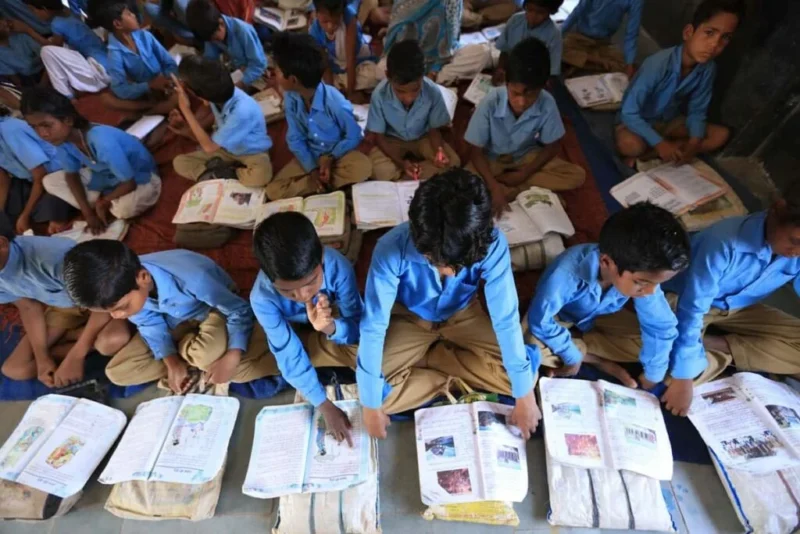
Education is one of the most common areas supported by charitable donations. Contributions help provide access to schools, educational resources, learning materials, and improved infrastructure.
Education empowers children with the knowledge and skills needed to build successful futures and break cycles of poverty.
Improving Healthcare and Nutrition
Many nonprofit organizations use donations to support healthcare services, nutrition programs, maternal health initiatives, and disease prevention efforts.
Access to proper healthcare and nutrition is essential for children’s growth, development, and overall well-being.
Protecting Children’s Rights
Child welfare organizations work to protect children from abuse, neglect, trafficking, child labour, and exploitation. Donations help fund awareness campaigns, child protection programs, advocacy efforts, and support services for vulnerable children.
Strengthening Communities
Many charities focus on sustainable development by supporting families, empowering communities, and addressing social inequalities. These efforts create long-term improvements that benefit future generations.
Who Can Claim Tax Exemption on Donations?
Eligibility for tax deductions varies according to national and local tax laws. In most cases, individuals, businesses, and organizations that donate to registered charitable institutions may qualify for tax benefits.
To claim deductions, donors typically need to ensure that:
- The organization is recognized under applicable tax laws.
- The donation meets eligibility requirements.
- Proper documentation is maintained.
- Contributions are made through approved payment methods.
Verifying these requirements before donating helps ensure that tax benefits can be claimed successfully.
Documents Required for Claiming Tax Benefits
Maintaining accurate records is essential when claiming tax deductions on charitable donations.
Donation Receipt
A receipt issued by the nonprofit organization serves as proof of contribution and usually includes important details such as the donation amount and date.
Payment Records
Bank statements, online transaction confirmations, and payment receipts help verify the donation.
Organization Information
Details regarding the charity’s registration and tax-exempt status may be required when filing tax returns.
Proper documentation helps ensure compliance with tax regulations and simplifies the filing process.
Common Mistakes to Avoid
Many donors miss out on tax benefits because of simple mistakes. Some common issues include:
- Donating to organizations that are not eligible for tax deductions.
- Losing donation receipts.
- Providing incorrect tax information.
- Missing filing deadlines.
- Failing to verify eligibility requirements.
Being aware of these mistakes can help donors maximize available tax benefits.
How Cry America Uses Donations
Cry America works to improve the lives of vulnerable children through programs focused on education, healthcare, nutrition, child protection, and community empowerment. Donations support initiatives that address the root causes of inequality and help children access opportunities that improve their future prospects.
Through partnerships with grassroots organizations and local communities, Cry America promotes sustainable development and long-term positive change. Donor contributions play a vital role in supporting these efforts.
Long-Term Benefits of Charitable Giving
The impact of charitable donations extends far beyond immediate assistance. Contributions help create stronger communities and improve opportunities for future generations.
Long-term benefits include:
- Reduced poverty.
- Better educational outcomes.
- Improved public health.
- Stronger child protection systems.
- Greater social and economic development.
Tax incentives encourage more people to participate in charitable giving, increasing the resources available for important social initiatives.
Conclusion
Tax exemption on donation is an effective way to encourage charitable giving while providing financial benefits to donors. By contributing to eligible nonprofit organizations, individuals and businesses can support education, healthcare, child welfare, and community development while potentially reducing their tax liability.
Organizations like Cry America rely on donor support to create meaningful and lasting change for vulnerable children and families. Understanding tax exemption benefits helps donors make informed decisions and maximize the positive impact of their contributions.
FAQs
1. What is tax exemption on donation?
It is a tax benefit that allows eligible charitable contributions to be deducted from taxable income according to applicable tax laws.
2. Can all donations qualify for tax deductions?
No. Tax benefits generally apply only to donations made to registered and approved charitable organizations.
3. What documents are needed to claim tax exemption on donations?
Donation receipts, payment records, and supporting documentation related to the charitable organization are commonly required.
4. Why do governments offer tax benefits on donations?
Tax incentives encourage charitable giving and help nonprofit organizations secure funding for social welfare initiatives.
5. How does Cry America use donations?
Cry America uses donations to support programs focused on education, healthcare, nutrition, child protection, and community empowerment for vulnerable children.