


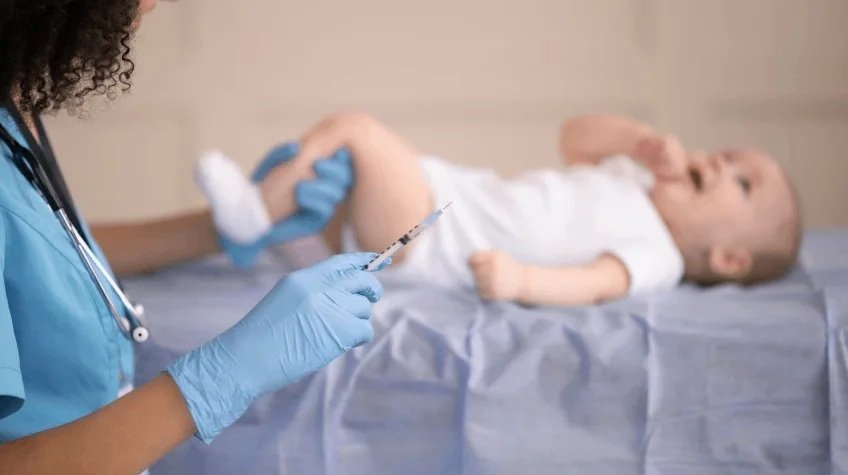

The first few days after a baby is born are filled with important medical evaluations designed to ensure healthy growth and development. One of the most valuable assessments performed during this period is the newborn screening test. This simple yet highly effective test helps identify certain genetic, metabolic, hormonal, and other serious health conditions before symptoms appear.
Early detection through newborn screening can significantly improve treatment outcomes and help prevent long-term health complications. By identifying disorders at an early stage, healthcare providers can begin timely interventions that may improve a child’s quality of life and overall well-being.
What Is a Newborn Screening Test?
A newborn screening test is a routine health screening performed shortly after birth to detect certain rare but serious medical conditions. Many of these conditions are not visible at birth and may not show symptoms immediately.
The goal of newborn screening is to identify babies who may have specific disorders so that treatment can begin as early as possible.
Newborn screening programs are considered one of the most successful public health initiatives worldwide because they help prevent severe illness, developmental delays, and in some cases, life-threatening complications.
Why Is Newborn Screening Important?
Many genetic and metabolic disorders can cause significant health problems if left untreated. Since newborns often appear healthy at birth, these conditions may go unnoticed until symptoms develop.
A newborn screening test helps:
- Detect disorders before symptoms appear
- Enable early treatment and intervention
- Reduce the risk of complications
- Improve long-term health outcomes
- Support healthy growth and development
- Provide families with important medical information
Early diagnosis often leads to better treatment success and improved quality of life.
When Is the Newborn Screening Test Performed?
The test is typically performed within the first 24 to 72 hours after birth.
Healthcare providers usually collect the necessary samples before the baby leaves the hospital.
In some situations, additional screening or repeat testing may be recommended depending on the baby’s health status or screening results.
What Does a Newborn Screening Test Include?
Newborn screening programs may vary by country or region, but they generally include three main components.
Blood Spot Screening
A few drops of blood are collected from the baby’s heel and placed on a special filter paper card.
This sample is analyzed for various inherited and metabolic disorders.
Hearing Screening
A hearing test evaluates whether the baby’s hearing is functioning normally.
Early identification of hearing loss supports timely intervention and language development.
Critical Congenital Heart Disease (CCHD) Screening
A pulse oximetry test measures oxygen levels in the baby’s blood to help detect certain heart defects.
This screening helps identify serious cardiac conditions that may require immediate medical attention.
Conditions Commonly Detected Through Newborn Screening
The exact list of screened conditions varies depending on local health programs.
Commonly screened disorders include:
Phenylketonuria (PKU)
A metabolic disorder that affects the body’s ability to process the amino acid phenylalanine.
Congenital Hypothyroidism
A condition in which the thyroid gland does not produce enough hormones for normal growth and development.
Sickle Cell Disease
An inherited blood disorder that affects red blood cell function.
Cystic Fibrosis
A genetic condition that affects the lungs, digestive system, and other organs.
Medium-Chain Acyl-CoA Dehydrogenase Deficiency (MCADD)
A metabolic disorder that affects the body’s ability to convert certain fats into energy.
Spinal Muscular Atrophy (SMA)
A genetic condition that affects muscle strength and movement.
Many modern screening panels include additional rare genetic and metabolic disorders.
How Is the Blood Sample Collected?
The blood sample collection process is quick and generally safe.
The procedure involves:
- Cleaning the baby’s heel.
- Gently pricking the heel using a sterile lancet.
- Collecting a few drops of blood on a special screening card.
- Sending the sample to a laboratory for analysis.
Most babies experience only brief discomfort during the collection process.
Understanding Newborn Screening Results
Normal Screening Results
A normal result indicates that no signs of the screened conditions were detected.
Most babies receive normal screening results.
Abnormal Screening Results
An abnormal result does not necessarily mean that a baby has a specific disorder.
It simply indicates that additional testing may be needed to confirm or rule out a condition.
Follow-Up Testing
If screening results suggest a potential issue, healthcare providers may recommend further diagnostic evaluations.
Prompt follow-up is important to ensure accurate diagnosis and timely treatment.
What Happens If a Condition Is Detected?
If a disorder is confirmed, healthcare providers will develop an individualized treatment plan.
Depending on the condition, treatment may involve:
- Specialized diets
- Medications
- Hormone replacement therapy
- Nutritional supplements
- Regular medical monitoring
- Early intervention programs
In many cases, early treatment can prevent serious complications and support healthy development.
Benefits of Newborn Screening Tests
Early Detection
Identifies health conditions before symptoms become noticeable.
Improved Treatment Outcomes
Early intervention often leads to better long-term results.
Prevention of Serious Complications
Many screened conditions can be managed effectively if detected early.
Better Developmental Support
Timely treatment helps promote normal growth and cognitive development.
Peace of Mind for Families
Parents receive important information about their baby’s health status.
Are Newborn Screening Tests Safe?
Yes. Newborn screening is considered safe and routine.
The blood sample requires only a small heel prick, while hearing and heart screenings are non-invasive procedures.
The benefits of early detection far outweigh the minimal discomfort associated with testing.
Limitations of Newborn Screening
Although highly effective, newborn screening has certain limitations.
Not Every Condition Is Screened
Programs focus on specific disorders that meet public health screening criteria.
False Positive Results Can Occur
Some babies may require additional testing even though they do not have the condition.
Additional Testing May Be Needed
Screening is not the same as a definitive diagnosis.
Confirmatory testing is often required when abnormal results are identified.
Understanding these limitations helps parents interpret screening results appropriately.
The Role of Genetic Counseling
For families receiving abnormal screening results, genetic counseling may be recommended.
A genetic counselor can help:
- Explain screening findings
- Discuss diagnostic testing options
- Review inheritance patterns
- Provide guidance and support
This helps families make informed healthcare decisions.
Advances in Newborn Screening Technology
Recent advancements have expanded the number of conditions that can be detected through newborn screening.
Modern technologies include:
- Advanced biochemical testing
- Molecular genetic analysis
- Next-generation sequencing
- Improved laboratory automation
These innovations continue to enhance screening accuracy and early diagnosis capabilities.
Why Parents Should Understand Newborn Screening
Although newborn screening is routine, understanding its purpose can help parents actively participate in their child’s healthcare journey.
Knowing what conditions are screened, how results are interpreted, and why follow-up testing may be needed can reduce anxiety and improve communication with healthcare providers.
Conclusion
A newborn screening test is one of the most important preventive healthcare measures performed during the first days of a baby’s life. By identifying serious genetic, metabolic, hormonal, and other health conditions before symptoms appear, newborn screening provides an opportunity for early intervention and improved outcomes.
For many families, this simple screening process offers valuable insights into a baby’s health and helps ensure the best possible start in life. Early detection remains a powerful tool in supporting healthy growth, development, and long-term well-being.