



Customer data has become one of the most valuable assets in modern digital commerce. Businesses rely on customer insights to improve personalization, optimize marketing performance, enhance customer experiences, and drive long-term growth. However, as data collection practices have expanded, concerns around privacy, transparency, and data ownership have grown significantly.
Consumers are becoming more aware of how their data is collected and used. At the same time, regulations such as GDPR and CCPA, along with the decline of third-party cookies, are reshaping how businesses approach customer intelligence.
This shift is driving the rise of privacy-centric customer intelligence, where businesses focus on delivering personalized experiences while prioritizing transparency, consent, and responsible data practices.
At the center of this transformation is the customer data platform. Modern customer data platforms are evolving beyond simple data aggregation systems and becoming essential infrastructure for managing customer intelligence in a privacy-first digital environment.
The Evolution of Customer Data in Digital Commerce
For many years, businesses relied heavily on third-party data and tracking technologies to understand customer behavior.
This included:
- Third-party cookies
- Cross-site tracking
- External audience datasets
- Broad advertising identifiers
While these approaches enabled targeting and personalization at scale, they also created growing concerns around:
- Data privacy
- Lack of transparency
- Customer consent
- Data misuse
As privacy awareness increased, both regulators and consumers began demanding more control over personal information.
The Shift Toward Privacy-Centric Customer Intelligence
Privacy-centric customer intelligence focuses on collecting and using customer data responsibly while still enabling meaningful personalization and engagement.
Instead of relying heavily on external tracking, businesses are shifting toward:
- First-party data strategies
- Consent-based data collection
- Transparent data governance
- Ethical personalization practices
This approach helps businesses build stronger customer trust while maintaining effective personalization capabilities.
What is a Customer Data Platform?
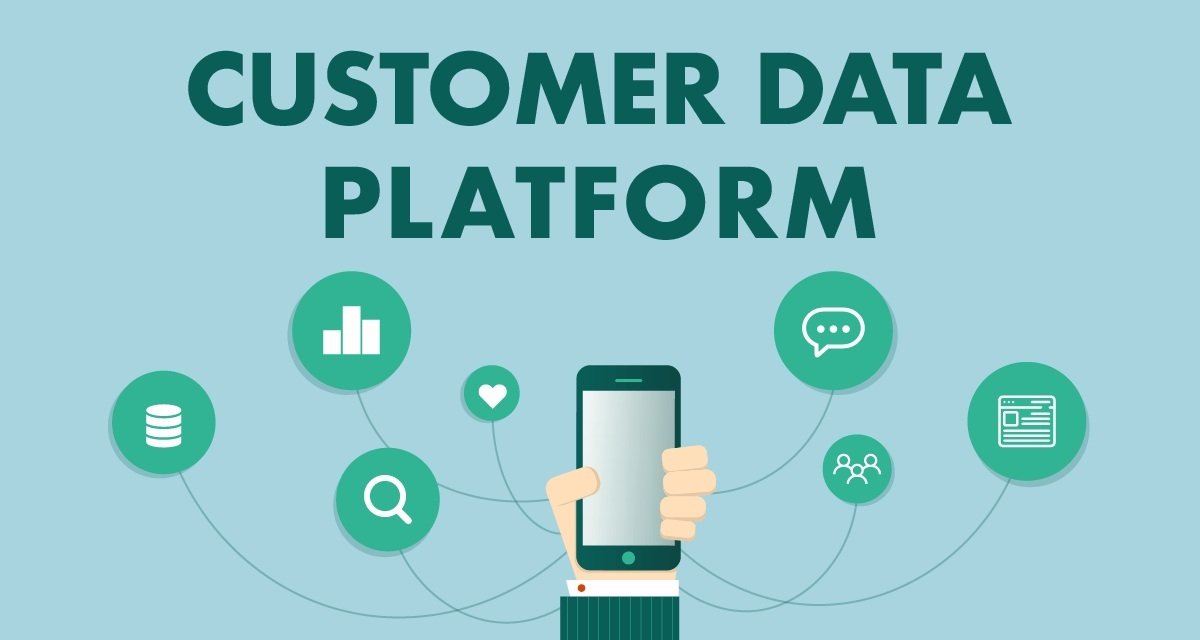
A customer data platform is a centralized system that collects, unifies, processes, and activates customer data from multiple sources.
It combines data from:
- Websites
- Mobile apps
- Ecommerce platforms
- CRM systems
- Email engagement
- Customer support interactions
- Point-of-sale systems
The goal is to create unified customer profiles that support personalization, analytics, and customer engagement across channels.
Why Customer Data Platforms Matter in a Privacy-First World
As privacy regulations tighten and third-party tracking becomes less reliable, businesses need stronger first-party data infrastructure.
A customer data platform helps organizations:
- Centralize customer data responsibly
- Manage consent and preferences
- Improve data transparency
- Reduce reliance on third-party identifiers
- Deliver compliant personalization experiences
This makes customer data platforms increasingly important for future-ready marketing and commerce strategies.
The Growing Importance of First-Party Data
First-party data refers to information collected directly from customer interactions with a business.
Examples include:
- Website activity
- Purchase history
- Email engagement
- Loyalty program participation
- Mobile app interactions
First-party data is becoming more valuable because:
- It is permission-based
- It is more accurate and reliable
- It supports stronger personalization
- It aligns better with privacy regulations
Customer data platforms help businesses organize and activate this data effectively.
Consent and Preference Management
Modern customer intelligence strategies must prioritize customer consent and preference control.
Customer data platforms increasingly support:
- Consent tracking
- Preference management
- Data access governance
- Customer opt-in and opt-out controls
This helps businesses maintain compliance while improving customer trust.
Transparency around data usage is becoming a major differentiator.
Identity Resolution in a Privacy-Centric Environment
Identity resolution remains an important capability within customer data platforms.
However, privacy-focused identity resolution now depends more heavily on:
- Authenticated customer interactions
- First-party identifiers
- Consent-driven data collection
Businesses must balance customer visibility with responsible data practices.
Modern customer data platforms help unify customer profiles while respecting privacy requirements.
AI and Privacy-Centric Personalization
Artificial intelligence continues to play a major role in customer intelligence and personalization.
AI helps businesses:
- Predict customer preferences
- Optimize engagement strategies
- Personalize experiences dynamically
- Improve audience segmentation
However, AI systems must operate responsibly within privacy guidelines.
This means:
- Using transparent data practices
- Avoiding excessive tracking
- Respecting customer preferences
Privacy-centric AI personalization focuses on delivering value without compromising trust.
Omnichannel Customer Intelligence
Customers interact across multiple touchpoints throughout their journey.
Privacy-centric customer intelligence requires businesses to unify experiences across:
- Websites
- Mobile apps
- Email campaigns
- Physical stores
- Customer service channels
Customer data platforms help create connected experiences while maintaining governance and consent controls.
This improves both personalization quality and customer trust.
Benefits of Privacy-Centric Customer Intelligence
Stronger Customer Trust
Transparent data practices improve brand credibility.
Better Data Quality
First-party data is often more accurate and actionable.
Improved Regulatory Compliance
Businesses reduce privacy and compliance risks.
Sustainable Personalization Strategies
Consent-driven personalization is more future-proof than third-party tracking reliance.
Increased Customer Loyalty
Customers are more likely to engage with brands they trust.
Challenges Businesses Face
Data Fragmentation
Customer data often remains siloed across systems.
Balancing Personalization and Privacy
Businesses must deliver relevance without feeling intrusive.
Regulatory Complexity
Privacy regulations continue evolving globally.
Technology Integration Requirements
Connected customer data ecosystems require scalable infrastructure.
Addressing these challenges is essential for long-term success.
Best Practices for Privacy-Centric Customer Intelligence
Prioritize First-Party Data Strategies
Direct customer relationships are becoming increasingly valuable.
Build Transparent Consent Processes
Customers should clearly understand how their data is used.
Invest in Unified Customer Data Infrastructure
Connected systems improve personalization while supporting governance.
Use AI Responsibly
AI should enhance customer experiences ethically and transparently.
Focus on Customer Value Exchange
Customers are more willing to share data when they receive meaningful benefits in return.
The Future of Customer Data Platforms
Customer data platforms will continue evolving as privacy expectations and technology landscapes change.
Future trends include:
- AI-powered privacy automation
- Real-time consent orchestration
- Cookieless customer intelligence strategies
- Federated identity systems
- Privacy-enhancing technologies
These innovations will help businesses balance personalization with trust more effectively.
Conclusion
The rise of privacy-centric customer intelligence is fundamentally changing how businesses collect, manage, and activate customer data. As consumers demand greater transparency and regulations continue evolving, organizations must move beyond traditional tracking-heavy approaches toward more responsible and consent-driven strategies.
Customer data platforms are becoming essential for enabling this transition. By helping businesses unify first-party data, manage consent, support personalization, and improve governance, these platforms provide the foundation for sustainable customer intelligence in a privacy-first world.
Businesses that invest in privacy-centric customer data strategies will be better positioned to build trust, improve personalization, strengthen customer relationships, and compete successfully in the future of digital commerce.