


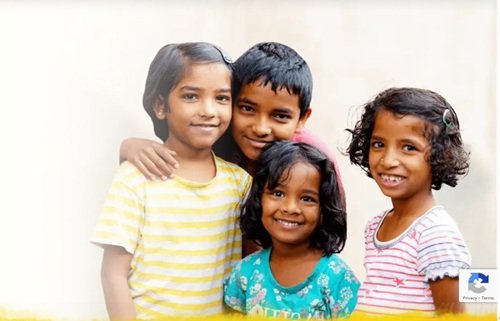

India is a land of incredible contrasts. While we celebrate our global tech dominance and space missions, millions of our children are still fighting for their most basic rights. The reality on the ground is stark: poverty, child labour, and early marriage continue to rob our youngest citizens of their potential.
That is where a child NGO in India steps in. Organizations like CRY (Child Rights and You) don’t just provide temporary relief; they tackle the root causes of these issues to create lasting, systemic change. If you have ever wondered whether one person—or one donation—can truly make a difference, you are in the right place.
Key Takeaways for 2025
- The Scale: India is home to 350 million children, representing 15% of the global child population.
- The Progress: Child mortality rates and dropout rates are declining, but rural-urban disparities remain significant.
- The Mission: Top NGOs focus on four core pillars: Education, Health & Nutrition, Protection, and Participation.
- Your Role: Donations to registered child NGOs in India often qualify for 50% tax exemptions under Section 80G.
Why Child NGOs are Non-Negotiable in India’s Growth
You might think that government schemes are enough to solve these problems. While the Indian government has powerful initiatives like the Right to Education Act and PM POSHAN, the “last-mile” delivery is where the gap exists.
A dedicated child NGO in India acts as the bridge. They work at the grassroots level, ensuring that the child in the remotest village of Odisha or the most crowded slum in Mumbai actually gets the benefits they are entitled to.
The Four Pillars of Impact
Most reputable NGOs, including CRY, structure their work around the UN Convention on the Rights of the Child:
- Right to Survival (Health & Nutrition): Ensuring no child dies of preventable diseases or malnutrition.
- Right to Development (Education): Breaking the cycle of poverty by keeping children in school and out of the workforce.
- Right to Protection (Safety): Shielding children from the horrors of child trafficking, child labour, and early marriage.
- Right to Participation (Voice): Empowering children to have a say in the decisions that affect their lives.
Comparing the Impact: CRY vs. National Averages
To understand the effectiveness of a top-tier child NGO in India, look at the data. In areas where CRY operates, the results often outpace national trends significantly.
| Indicator | National Status (NFHS-5 / UDISE+) | CRY Project Areas (2024-25) |
|---|---|---|
| School Enrollment (6-18 yrs) | ~77% (Secondary) | 95% |
| Undernourishment (<5 yrs) | ~32% | Only 2% |
| Protection from Child Marriage | ~23% | 99% |
| Protection from Child Labour | High risk in rural belts | 85% |
How Does a Child NGO in India Actually Work?
It isn’t just about handing out books or food. That’s a “band-aid” solution. Real change requires a “village” approach.
At CRY, we believe in Systemic Strengthening. This means:
- Working with Parents: Convincing them that a daughter’s education is more valuable than an early marriage.
- Collaborating with Teachers: Improving the quality of education so children want to stay in school.
- Engaging Anganwadi Workers: Ensuring toddlers get the nutrition they need during the most critical 1,000 days of their lives.
- Policy Advocacy: Pushing for better laws and budget allocations at the state and national levels.
Success Stories: From Survival to Success
Meet Asha. Born into a family struggling with poverty in Latur, she was told she had to drop out after 10th grade to get married. A CRY-supported adolescent group intervened, counselled her parents, and supported her education. Today, Asha is the first woman police officer in her village.
Then there is Rohit, who was forced into child labour when his father fell ill. Through local intervention, he was re-enrolled in school. Today, he is a cadet in the Bihar Military Police Academy.
These aren’t just feel-good stories; they are proof that when you support a child NGO in India, you are investing in a future leader.
FAQs: What You Need to Know Before You Help
1. Are donations to child NGOs in India tax-exempt?
Yes. Most registered NGOs, including CRY, offer tax benefits under Section 80G of the Income Tax Act. This means you can claim a 50% deduction on your donation amount, effectively reducing your taxable income while doing good.
2. How can I be sure my money is being used correctly?
Transparency is key. Always look for NGOs that publish annual reports and impact statements. Check for certifications like “Platinum Seal of Transparency” or international accreditations. At CRY, we provide detailed breakdowns of how every rupee is allocated to project areas.
3. Can I volunteer for a child NGO in India if I don’t have much time?
Absolutely! Many NGOs offer flexible volunteering opportunities, from online advocacy and mentoring to ground-level field visits. Even sharing a campaign on social media helps raise the “voice” of children who aren’t being heard.
The Choice is Yours: Join the Movement
The challenges facing India’s children are huge, but they are not insurmountable. Every time a child stays in school instead of a factory, or a girl picks up a pen instead of a wedding garland, India takes a step forward.
You don’t need to be a millionaire to make an impact. Whether it’s a small monthly contribution or a one-time donation to mark a special occasion, your support provides the resources these children need to thrive.