


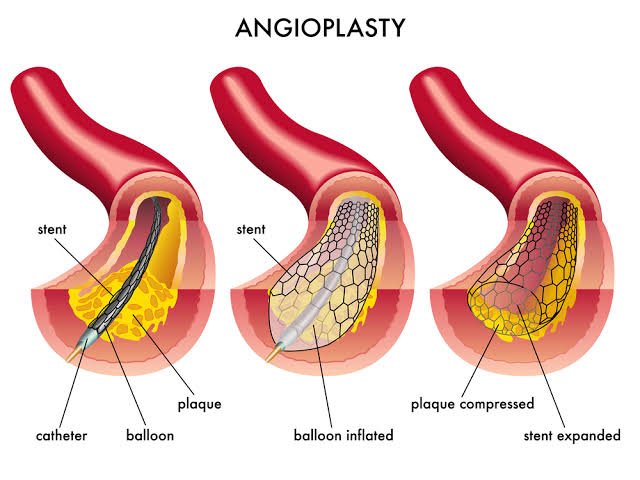

A Peripheral Angioplasty Procedure is a minimally invasive treatment used to improve blood flow through narrowed or blocked arteries, most commonly in the legs. It uses a thin catheter, a small balloon, and sometimes a stent to open the affected artery and restore circulation.
For people with peripheral artery disease (PAD), angioplasty may help reduce leg pain, improve walking ability, and lower the risk of complications related to poor circulation. The exact approach depends on the location and severity of the arterial blockage.
What Is a Peripheral Angioplasty Procedure?
A Peripheral Angioplasty Procedure is an endovascular treatment performed inside a blood vessel. Instead of making a large surgical incision, the doctor guides a thin catheter through an artery toward the narrowed or blocked area.
A small balloon at the tip of the catheter is inflated at the site of the blockage. This helps widen the artery and improve blood flow. In selected cases, a stent may also be placed to help keep the artery open.
The procedure is commonly considered when peripheral artery disease causes significant symptoms or when reduced blood flow creates a risk to the limb.
Why Is Peripheral Angioplasty Needed?
Peripheral arteries can become narrowed because of plaque buildup. This condition, known as atherosclerosis, can restrict the amount of oxygen-rich blood reaching the legs and feet.
Common symptoms may include:
- Leg pain while walking that improves with rest
- Leg cramps or heaviness
- Cold feet
- Numbness or weakness in the legs
- Slow-healing wounds on the feet or legs
- Changes in skin color
- Reduced pulses in the feet
Not everyone with PAD needs angioplasty. Doctors may first recommend lifestyle changes, medicines, walking programs, and management of conditions such as diabetes, high blood pressure, and high cholesterol.
Who May Need Peripheral Angioplasty?
Angioplasty may be considered when arterial narrowing is causing significant symptoms that affect daily activities or when blood flow to a limb is severely reduced.
Your vascular specialist may consider several factors before recommending treatment, including the location of the blockage, its length and severity, symptoms, circulation to the affected limb, and your overall health.
Imaging tests such as Doppler ultrasound, CT angiography, MR angiography, or conventional angiography may help identify the affected artery.
Peripheral Angioplasty Procedure: Step-by-Step
Understanding what happens during the procedure can make the experience less stressful. Although techniques vary depending on the artery being treated, the general process follows several steps.
1. Pre-Procedure Evaluation
Before angioplasty, your doctor reviews your medical history, symptoms, medications, and previous vascular treatments.
Blood tests and imaging may be performed to understand the condition of your arteries and assess whether angioplasty is appropriate.
Tell your medical team about all medicines and supplements you take. Some medications may need special instructions before the procedure.
2. Preparing the Access Site
The procedure is usually performed in a catheterization or endovascular procedure room.
The access site, commonly in the groin or sometimes the arm, is cleaned and prepared. Local anesthesia is generally used to numb the area.
You may remain awake during the procedure, although medication may be given to help you relax.
3. Inserting the Catheter
The doctor makes a small puncture in the artery and inserts a thin tube called a sheath.
A catheter and guidewire are then carefully advanced through the blood vessel toward the narrowed or blocked artery.
Imaging is used during the procedure to help the doctor see the blood vessels and guide the instruments accurately.
4. Locating the Blockage
A contrast dye may be injected into the artery so the narrowed section can be clearly seen on X-ray imaging.
This allows the vascular specialist to determine the exact location and extent of the blockage and plan the treatment.
5. Inflating the Balloon
Once the guidewire passes through the narrowed section, a small balloon catheter is positioned at the blockage.
The balloon is then inflated for a short period. This presses plaque against the artery wall and expands the narrowed area.
You may feel some pressure or temporary discomfort during balloon inflation, but the experience varies between patients.
6. Placing a Stent When Needed
In some cases, angioplasty alone provides adequate blood flow. In others, the doctor may place a stent.
A stent is a small mesh tube that helps support the artery and keep the treated area open.
Whether a stent is needed depends on the artery involved, the characteristics of the blockage, and how the vessel responds to angioplasty.
7. Checking Blood Flow
After treatment, the doctor uses imaging to check blood flow through the treated artery.
If the artery has opened adequately, the instruments are removed. If additional treatment is required, further ballooning or another technique may be performed during the same procedure.
8. Closing the Access Site
After the catheter is removed, pressure is applied to the access site to help prevent bleeding.
Depending on the situation, a closure device may also be used.
You may then be moved to a recovery area for monitoring.
How Long Does Peripheral Angioplasty Take?
The duration of a Peripheral Angioplasty Procedure varies depending on the number of blockages, their location, the complexity of the disease, and whether additional treatment such as stent placement is required.
Some procedures are completed relatively quickly, while more complex cases can take longer.
Your vascular specialist can provide a more specific estimate after reviewing your imaging and treatment plan.
What Happens After Angioplasty?
After the procedure, your blood pressure, heart rate, circulation, and access site are monitored.
Some patients can return home the same day, while others may need observation depending on their health and the complexity of the procedure.
Your doctor will provide instructions about physical activity, medications, wound care, and follow-up appointments.
It is important to follow prescribed medication instructions, particularly if antiplatelet medicines are recommended after treatment.
Recovery After Peripheral Angioplasty
Recovery is usually faster than recovery from traditional open vascular surgery because angioplasty is performed through a small access point.
For the first few days, you may be advised to avoid heavy lifting or strenuous activity. Keep the access site clean and watch for unusual bleeding, swelling, redness, or drainage.
Your doctor may also recommend a structured walking program. Walking can be an important part of long-term PAD management because it can help improve functional walking capacity.
Benefits of Peripheral Angioplasty
The main goal of angioplasty is to improve blood flow through a narrowed artery.
Potential benefits include:
- Improved circulation to the affected limb
- Reduced walking-related leg pain
- Better ability to perform daily activities
- Improved blood supply to areas with poor circulation
- Treatment of certain severe circulation problems without open surgery
- Smaller access site compared with traditional surgical procedures
The benefits vary from patient to patient and depend on the severity and location of arterial disease.
Possible Risks and Complications
Although peripheral angioplasty is commonly performed, it is still an invasive medical procedure and can have risks.
Potential complications include bleeding or bruising at the catheter insertion site, blood vessel injury, blood clots, infection, allergic reactions to contrast dye, kidney-related complications from contrast in susceptible patients, and recurrence of narrowing.
In some cases, the treated artery can narrow again over time. This is called restenosis.
Your doctor should explain the potential benefits and risks based on your individual condition before treatment.
Peripheral Angioplasty vs. Bypass Surgery
Angioplasty and bypass surgery are different approaches to treating blocked peripheral arteries.
Angioplasty treats the blockage from inside the artery using catheters and other endovascular tools. Bypass surgery creates a new route for blood to flow around the blocked section.
The choice depends on factors such as the location and length of the blockage, arterial anatomy, symptoms, previous treatments, and overall health.
| Factor | Peripheral Angioplasty | Bypass Surgery |
|---|---|---|
| Approach | Minimally invasive | Open surgery |
| Access | Small catheter access point | Surgical incision |
| Recovery | Usually shorter | Usually longer |
| Stent | May be used | Not generally required |
| Suitable for | Selected arterial blockages | Certain complex or extensive blockages |
| Decision | Based on individual anatomy and disease | Based on individual anatomy and disease |
Neither approach is suitable for every patient. A vascular specialist determines the appropriate treatment after evaluating the arteries and overall clinical situation.
Expert Tip: “Successful angioplasty is only one part of managing peripheral artery disease. Long-term results also depend on controlling risk factors, taking prescribed medicines, staying physically active when medically appropriate, and attending follow-up appointments.”
How to Prepare for Peripheral Angioplasty
Your medical team will provide specific instructions before the procedure. Depending on your condition, preparation may include fasting for a certain period, reviewing medications, checking kidney function, and completing blood tests or imaging.
Make sure your doctor knows if you have previously experienced a reaction to contrast dye or have kidney problems.
You should also arrange transportation home if your doctor expects you to be discharged after the procedure.
When Should You Seek Medical Attention After Angioplasty?
Contact your medical team promptly if you develop significant bleeding from the access site, increasing swelling, severe pain, fever, redness or drainage around the puncture site, or new changes in the color, temperature, sensation, or movement of the treated limb.
Sudden severe leg pain, loss of sensation, or a cold or pale foot can require urgent medical assessment because these symptoms may indicate a serious circulation problem.
Long-Term Care After Peripheral Angioplasty
Angioplasty treats a narrowed section of an artery, but it does not eliminate the underlying causes of peripheral artery disease.
Long-term care may include managing cholesterol, blood pressure, and blood sugar, avoiding tobacco, following prescribed medications, maintaining a healthy weight, and participating in an appropriate exercise program.
Regular follow-up allows your doctor to monitor symptoms and circulation and determine whether additional testing or treatment is necessary.
Dr Sumit Kapadia and Vascular Care
Dr Sumit Kapadia focuses on vascular and endovascular care, including the evaluation and management of conditions affecting arteries and veins. Patients considering a Peripheral Angioplasty Procedure can benefit from a detailed vascular assessment to understand the location of arterial disease and the available treatment approaches.
A personalized evaluation is important because the right treatment depends on the patient’s symptoms, circulation, arterial anatomy, and overall health.
Quick-Scan: Peripheral Angioplasty at a Glance
| Key Point | What to Know |
|---|---|
| Purpose | Improve blood flow through a narrowed or blocked artery |
| Approach | Minimally invasive catheter-based treatment |
| Balloon | Used to widen the narrowed artery |
| Stent | May be placed when appropriate |
| Anesthesia | Usually local anesthesia with or without sedation |
| Recovery | Generally shorter than open bypass surgery |
| Main benefit | Improved blood flow and potentially better walking ability |
| Important consideration | Arteries can narrow again after treatment |
| Long-term care | Risk-factor management and follow-up remain important |
Frequently Asked Questions
Is peripheral angioplasty painful?
Most patients receive local anesthesia at the catheter insertion site. You may feel pressure during parts of the procedure, particularly when the balloon is inflated. Some temporary discomfort can occur, but pain levels vary. Your medical team can provide medication to improve comfort when needed.
How long does it take to recover from peripheral angioplasty?
Recovery varies depending on the treated artery, procedure complexity, and overall health. Many patients resume light activities relatively soon, while strenuous activity may need to be avoided temporarily. Your doctor will provide individualized instructions based on your procedure and recovery.
Can a blocked leg artery be treated without surgery?
Some arterial blockages can be treated using minimally invasive endovascular procedures such as angioplasty and stent placement. However, treatment depends on the location, length, and severity of the blockage. Some patients may require bypass surgery or other treatment instead.
Can peripheral artery disease return after angioplasty?
Yes. Angioplasty treats the narrowed artery but does not remove the underlying risk factors that contribute to peripheral artery disease. Arteries can narrow again over time. Managing cholesterol, blood pressure, diabetes, tobacco exposure, physical activity, and prescribed medications can support long-term vascular health.