


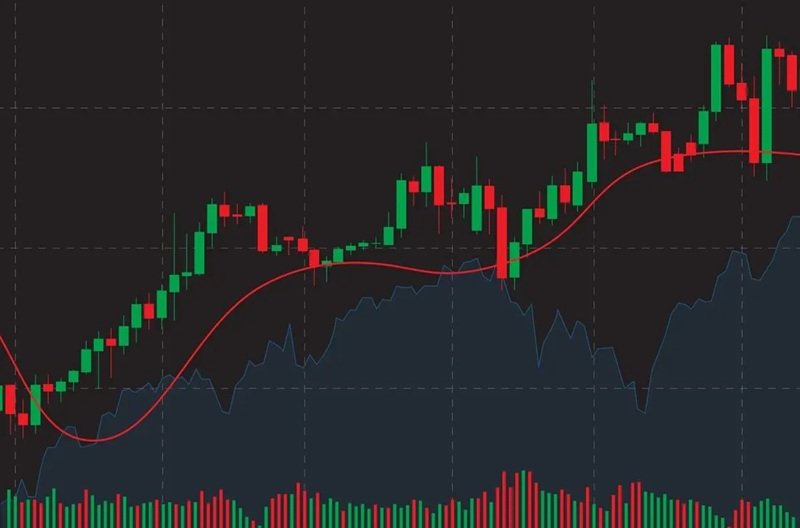

Financial markets have become increasingly digital, with investors expecting faster trade execution, real-time market data, and seamless access across multiple devices. To meet these expectations, brokerage firms and financial institutions rely on advanced brokerage trading platforms that deliver secure, efficient, and scalable trading experiences.
A modern brokerage trading platform goes beyond simply executing trades. It provides investors with powerful tools for portfolio management, market analysis, risk management, and regulatory compliance, enabling both retail and institutional clients to trade confidently in today’s fast-moving financial markets.
What Is a Brokerage Trading Platform?
A brokerage trading platform is a software solution that enables investors and brokers to buy and sell financial instruments such as stocks, bonds, mutual funds, exchange-traded funds (ETFs), derivatives, commodities, and currencies.
These platforms connect users to financial markets while providing tools for:
- Trade execution
- Portfolio management
- Market research
- Real-time pricing
- Order management
- Risk monitoring
- Performance reporting
Modern platforms are designed to deliver a secure, user-friendly experience across desktop, web, and mobile devices.
Why Brokerage Trading Platforms Matter
Today’s investors expect instant access to markets, transparent pricing, and personalized trading experiences. Traditional brokerage systems often struggle to keep pace with these demands due to legacy technology and limited automation.
Modern brokerage trading platforms help firms:
- Improve trade execution speed
- Deliver real-time market information
- Enhance customer experience
- Reduce operational complexity
- Support regulatory compliance
- Scale efficiently as trading volumes grow
By modernizing their technology, brokerage firms can remain competitive in an increasingly digital investment landscape.
Key Features of a Brokerage Trading Platform
1. Real-Time Market Data
Timely information is critical for investment decisions. A brokerage trading platform provides real-time market prices, charts, news, and trading volumes, helping investors respond quickly to market movements.
2. Fast and Reliable Order Execution
Modern platforms support multiple order types, including:
- Market orders
- Limit orders
- Stop-loss orders
- Stop-limit orders
- Good Till Cancelled (GTC) orders
Fast execution minimizes delays and helps investors capture market opportunities.
3. Portfolio Management
An integrated portfolio dashboard allows users to monitor:
- Asset allocation
- Investment performance
- Unrealized and realized gains
- Dividend income
- Portfolio risk
- Historical performance
This enables investors to make informed portfolio adjustments based on real-time insights.
4. Advanced Trading Tools
Professional investors often require sophisticated trading capabilities.
Many brokerage trading platforms include:
- Technical indicators
- Interactive charts
- Watchlists
- Price alerts
- Screeners
- Research reports
- AI-powered investment insights
These tools support more informed and strategic trading decisions.
5. Security and Compliance
Given the sensitive nature of financial data, security is a top priority.
Modern platforms incorporate:
- Multi-factor authentication (MFA)
- End-to-end encryption
- Secure user authentication
- Fraud detection systems
- Audit trails
- Regulatory reporting capabilities
These features help protect investor assets while ensuring compliance with financial regulations.
Benefits of a Brokerage Trading Platform
Enhanced Customer Experience
A well-designed trading platform offers intuitive navigation, personalized dashboards, and seamless trading across devices, improving customer satisfaction and retention.
Increased Operational Efficiency
Automation reduces manual processing, minimizes errors, and accelerates trade settlement, allowing brokerage firms to handle higher transaction volumes efficiently.
Better Risk Management
Real-time monitoring, portfolio analytics, and automated alerts help investors and firms identify and manage potential risks more effectively.
Greater Scalability
Cloud-enabled brokerage trading platforms can support increasing numbers of users, transactions, and asset classes without requiring major infrastructure upgrades.
Data-Driven Decision Making
Built-in analytics and reporting tools provide valuable insights into trading behavior, portfolio performance, and customer engagement, helping firms refine their services and strategies.
Choosing the Right Brokerage Trading Platform
When selecting a brokerage trading platform, financial institutions should evaluate solutions based on:
- Real-time market connectivity
- High-speed trade execution
- Multi-asset trading support
- Mobile and web accessibility
- Portfolio management features
- Advanced analytics and reporting
- Strong security framework
- API integration capabilities
- Regulatory compliance support
- Scalability and reliability
A platform that integrates smoothly with existing banking, payment, and investment systems can improve operational efficiency and enhance the overall customer experience.
The Future of Brokerage Trading Platforms
Technology continues to reshape the investment landscape. Emerging innovations are making brokerage trading platforms more intelligent, automated, and customer-focused.
Key trends include:
- Artificial intelligence for investment insights
- Algorithmic and automated trading
- Personalized investment recommendations
- Cloud-native trading infrastructure
- API-driven ecosystem integration
- Real-time risk analytics
- Enhanced cybersecurity measures
These advancements will enable brokerage firms to deliver faster, smarter, and more personalized investment experiences.
Conclusion
A modern brokerage trading platform is essential for financial institutions looking to meet evolving investor expectations and compete in today’s digital financial markets. By combining real-time market access, advanced trading tools, robust security, and automation, these platforms help brokerage firms improve efficiency while delivering superior customer experiences.
As trading volumes and customer demands continue to grow, investing in a scalable and intelligent brokerage trading platform will position financial institutions for long-term success in an increasingly competitive investment ecosystem.