

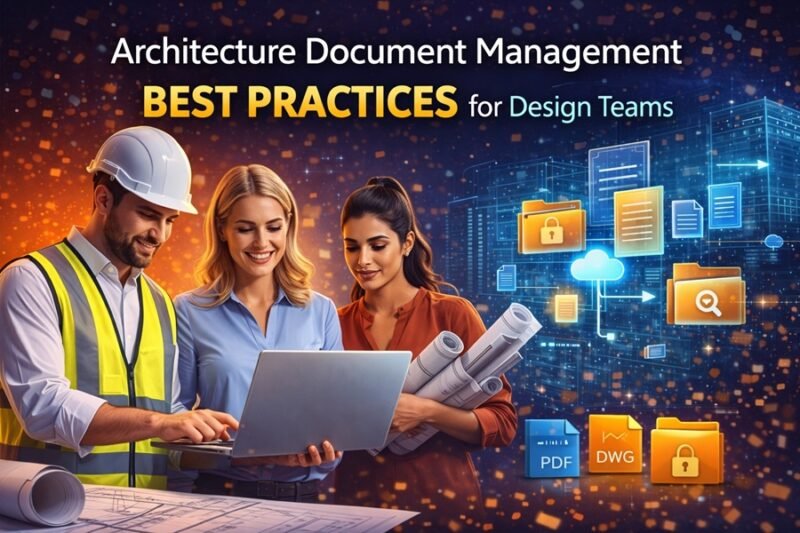

When you look at the life of a design project, it is easy to see that the most beautiful buildings start as a messy pile of digital files scattered across different computers. For a long time, the way an office handled its drawings and specifications was secondary to the creative work, but that mindset often left people unsure which version of a floor plan was the most recent. It is a realistic observation that a small error in a site plan or a missed revision to a structural detail can lead to thousands of dollars in wasted materials once the construction starts. When a team realises that a consultant was working on a version of the model that was already two weeks out of date. The real strength of a design firm is not just in its ability to draw, but in its ability to keep every single piece of information organised and accessible to the right people.
Moving Away From The Chaos Of Fragmented File Storage
The biggest challenge for any modern design team is the sheer size and complexity of the files they use every day, especially as 3D models and high-resolution renders become the standard for every client meeting. In the past, if a team member needed a specific file from a previous project, they might have to hunt through an old server or wait for a slow download from a cloud link that someone forgot to update. This is where a solid plan for architecture document management changes the daily rhythm of the office by creating a single place where every file lives in a predictable way. Instead of a messy web of different programs and personal folders, the whole team can follow a simple path to find the exact set of drawings they need without having to ask three different people for help.
Small repetitions in how we name our folders or where we save our temporary drafts can really drain a project manager’s energy if they are not handled with a clear system. Companies like Egnyte provide a straightforward way to address this by offering a secure space to store and share these massive technical files with external consultants, without the usual delays of slow uploads or broken links. This practical approach to handling high-volume data fits into a larger strategy to remove friction from the workday, so the focus stays on creative output rather than the computer screen. It is simple logic that if the project team is always looking at the same set of master files, the chance of a major mistake in the field is almost zero.
Balancing The Need For Open Sharing With Strong Safety Rules
The worry is about who has access to your sensitive project plans when you share them with outside contractors or city officials. A realistic observation is that many firms still use insecure personal file-sharing accounts just to get their work done because their official office system is too difficult to navigate. This creates a shadow system that business owners cannot see or control, often where the biggest security risks begin to grow for a design practice. By using architecture document management, you can embed protection directly into the workflow so it does not feel like a hurdle for staff or subcontractors.
The system can be configured to recognise that a certain folder contains private site plans, and then automatically limit who can send those files outside the project group. A smart system is actually much safer than a rigid one because it understands the context of what is happening with the data. For instance, if a large set of blueprints is suddenly accessed from an unexpected location in the middle of the night, a smart platform can flag it as a risk and block access until a manager can review the activity. This simple logic of “intelligent protection” allows the team to move fast and stay productive while the software handles the heavy lifting of maintaining strong digital walls.
Reducing The Noise Of The Modern Design Cycle
As a project moves from the initial sketch to the final construction documents, the amount of digital noise can become overwhelming for even the most organised architect. It is a realistic observation that a lot of time is wasted just looking for where a specific approval or a change order ended up across ten different email chains. A modern system for architectural document management helps by pulling these threads together, keeping the file’s history and the file itself in the same place. This removes the need to hunt through old messages to understand why a specific change was made to a foundation plan or mechanical layout.
Small, repeated searches and requests for the right file are the silent killers of a project budget in the modern world. When the system handles the version control and the audit trail, the team can spend their energy on the actual problem-solving that they were hired to do in the first place. This practical way of working is what allows a firm to handle a massive amount of work without feeling like they are drowning in digital paperwork. It is a simple logic that a clean digital home leads to a much more focused and calm work environment for everyone involved, from the design studio to the construction trailer.
In the end, the goal of moving to a more connected way of working is to make the technology disappear into the background so that the human connection can take centre stage. While the shift away from old habits can take time to get right, the long-term benefits of faster, safer project delivery are worth the effort for any firm.
Read Also: SEPA Instant Payments: Meaning, Benefits, Rules & Future of Real-Time Euro Transfers