

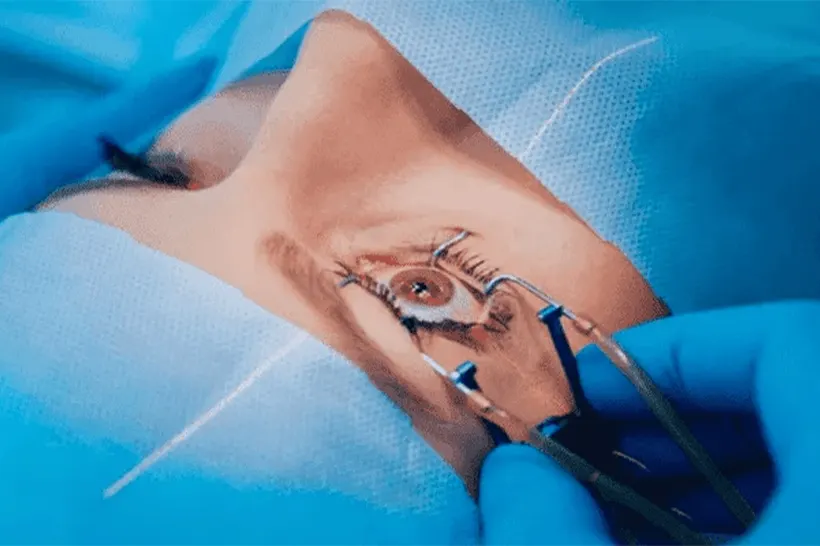

Let’s be honest—ignoring your cataracts is getting harder. Maybe the glare from oncoming traffic on the Western Express Highway is blinding you at night, or perhaps you’re struggling to read the fine print on your mobile screen.
In Mumbai, where life moves at a lightning pace, you can’t afford to be slowed down by blurry vision. The good news? Mumbai is arguably the best city in India for eye care. From the heritage surgeons of South Bombay to the high-tech robotic centers in the suburbs, you have access to world-class technology right next door.
But with so many options—Phaco vs. Laser, Indian vs. Imported lenses, Cashless vs. Reimbursement—it’s easy to get overwhelmed. This guide breaks it all down for you.
Key Takeaways
- Cost Range: A standard surgery can start as low as ₹15,000, while premium robotic procedures with imported lenses can go up to ₹1.5 Lakh per eye.
- Technology: “Blade-Free” Femto Laser is the new gold standard in Mumbai for precision and safety.
- Insurance: Most private hospitals offer Cashless facilities with major insurers (Star, ICICI, New India, etc.).
- Recovery: It’s a “Day Care” procedure. You walk in morning and are back home for lunch.
The Cost Breakdown: What Are You Paying For?
The question everyone asks: “Why does one doctor charge ₹25,000 and another ₹1,00,000?” The price depends on two main things: the Method of Surgery and the Lens (IOL) you choose.
1. Surgery Method Costs (Hospital Charges)
| Procedure Type | Average Cost (Per Eye) | Who is it for? |
|---|---|---|
| Standard Phaco | ₹20,000 – ₹45,000 | The most common, proven method. Uses ultrasound. Safe and effective. |
| MICS (Micro Incision) | ₹40,000 – ₹60,000 | Smaller cut (<2mm). Faster healing, less astigmatism. |
| Femto Laser (Blade-Free) | ₹70,000 – ₹1,20,000 | Computer-guided laser does the work. Highest precision, best for hard cataracts. |
2. The Lens (IOL) Price Difference
This is where the biggest price variation happens.
- Indian Lenses (e.g., Appasamy, Aurolab): Great value for money. Excellent for standard distance vision.
- Price: ₹10,000 – ₹20,000
- Imported Monofocal (e.g., Alcon, J&J): Global brands, slightly better material quality and optics.
- Price: ₹25,000 – ₹45,000
- Toric Lenses: Necessary if you have cylindrical power (Astigmatism).
- Price: ₹40,000 – ₹70,000
- Multifocal / Trifocal (e.g., PanOptix, Synergy): The “Freedom from Glasses” choice. You can see Near, Far, and Computer distance.
- Price: ₹80,000 – ₹1,50,000+
“Is Cashless Available?” – Navigating Insurance
In Mumbai, almost all reputed private eye hospitals/clinics are empanelled with major TPAs (Third Party Administrators).
- How it works: You submit your Mediclaim card/Policy number to the hospital 48-72 hours before surgery. They get the pre-authorization. You only pay for “Non-Medical Expenses” (consumables like wet wipes, glasses, etc.), usually ₹2,000 – ₹5,000.
- GIPSA Providers: If you have PSU insurance (New India, Oriental, United, National), look for hospitals in the PPN Network (Preferred Provider Network) to get special package rates.
- Government Schemes: Many hospitals also accept CGHS or ECHS cards, but you must check specifically for “Empanelment” before you go.
Selecting the Right Hospital in Mumbai
Mumbai traffic is a real factor in your decision. You don’t want to travel from Borivali to Colaba for 4 follow-up visits if you can avoid it.
- South Mumbai: Home to legendary institutions like Breach Candy and Jaslok, and many senior surgeons’ private clinics.
- Western Suburbs (Bandra to Andheri): Hubs like Lilavati, Kokilaben Ambani, and specialized chains like Arohi Eye or Ojas.
- Navi Mumbai: Excellent, large-scale facilities like Laxmi Eye Institute offer comprehensive care often at slightly more competitive rates than Bandra/SoBo.
FAQ: Common Concerns for Mumbaikars
1. Indian vs. Imported Lens – Is the Indian one bad?
Absolutely not. Indian lenses (like those from Appasamy) are FDA-approved equivalents and have been used in millions of successful surgeries. The main difference is often in the “glistenings” (long-term clarity) and specialized optics found in premium imported lenses. If budget is tight, an Indian lens is a perfectly safe choice.
2. Can I travel by Local Train after surgery?
It is highly recommended to avoid Local Trains and BEST buses for at least 2-3 weeks. The dust, crowding, and risk of accidental bumps/elbows are too high. Stick to a private car, Ola/Uber, or Rickshaw (with windows up/glasses on) for your follow-ups.
3. Does Mediclaim cover the entire amount?
Usually, insurance companies have a “Capping” on Cataract surgery (e.g., ₹40,000 per eye). If you choose a premium Robotic surgery with a Trifocal lens costing ₹1.2 Lakh, you will have to pay the difference out of your own pocket. Always check your policy’s “Cataract Limit”.
4. How many days off work do I need?
Technically, you can open your laptop the next day. However, most Mumbaikars take 3-4 days off to let the eye settle and adjust to the new vision. If your job involves heavy lifting or dusty field work, take a week.
Conclusion
Cataract surgery in Mumbai is no longer a scary operation; it’s a quick lifestyle upgrade. Whether you choose the reliable cost-effectiveness of an Indian Monofocal lens or the luxury of a Swiss Trifocal lens, the most important step is the first one: Booking that consultation.
Don’t let a cloudy view dim the sparkle of Mumbai. Visit your nearest ophthalmologist today and see the city in 4K again.